18 August 2026 · 1 min read
Dawn on La Rhune
The story of a night climb to catch first light on the Basque ridges — and what the mountain decides for you.
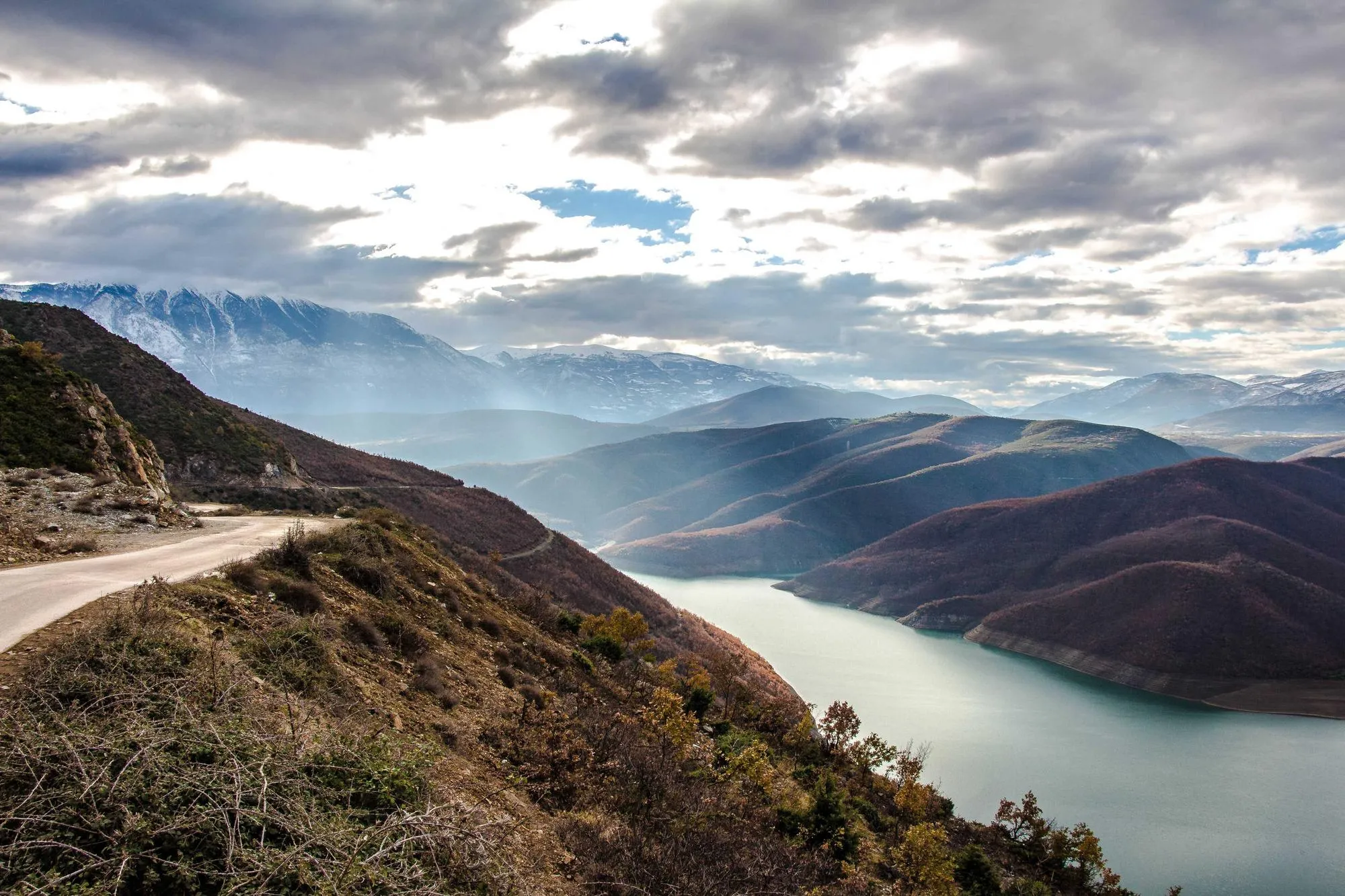
The alarm goes off at 3:40 am. That is the absurd hour La Rhune demands in summer if you want to be on the summit before the light tips over. The bag has been ready since the night before: camera, two lenses, the light tripod, a thermos.
Climbing at night has something monastic about it. You see only the circle of your headlamp, you hear sheep bells somewhere on the slope, and you wonder, as always, why you put yourself through this.
Then the sky pales on the Spanish side, and you remember.
What the mountain decides
I had climbed for one precise image: the sea of clouds in the Sare valley, licked by the first raking light. The sea of clouds never came. Instead, a southern wind cleared the horizon all the way to the beaches of the Landes, forty kilometres away — visibility I had never had before.
That is the lesson landscape photography repeats tirelessly: you do not choose your image, you choose to be there. The mountain decides the rest.
Three technical notes
- Leave too early. The interesting light starts forty minutes before the official sunrise, when nobody else is in position yet.
- Compose before the light. Ridgelines do not move; scouting them at night leaves all your attention free for the decisive moment.
- Stay after. The hour following sunrise is often more beautiful than the sunrise itself — the light sculpts instead of flattening.
The images from this dawn will join the Ridgelines series after the next autumn edit.